
Surrey & Hampshire Wildlife
June 2019 Observations
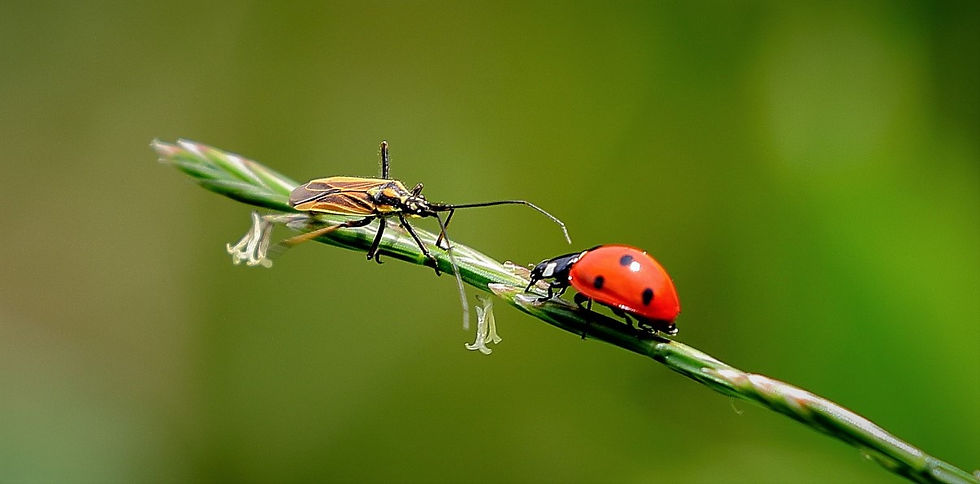
Rhabdomiris striatellus June 26th Chawton

Chawton Hampshire

Chawton Hampshire


Chawton Hampshire


Chawton Hampshire

Chawton Hampshire


Chawton Hampshire


Chawton Hampshire


Isington Hampshire

Isington Hampshire



Isington Hampshire

Isington Hampshire


Farringdon Hampshire


Farringdon Hampshire


Chawton Hampshire


Isington Hampshire




Hedgehogs are still widespread across the UK including Surrey & Hampshire, but are sadly in decline. When they are seen they are often found close to human habitation. Hedgehogs tend to hibernate between November and mid-March and produce young in early to late Autumn.

Hedgehogs are still widespread across the UK including Surrey & Hampshire, but are sadly in decline. When they are seen they are often found close to human habitation. Hedgehogs tend to hibernate between November and mid-March and produce young in early to late Autumn.




Nuthatches are moderately common across Surrey & Hampshire, they are resident in the UK. Nesting begins in April nearly always in a ready made hole in trees, they always reduce the entrance size with mud leaving just big enough to allow the bird through but generally small enough to repel intruders.

Brown Hares are widespread but thinly spread in Surrey & Hampshire in suitable arable locations. The young known as leveretts are born from late April to mid September with 2-4 broods of 3-4 young in a season.

Brown Hares are widespread but thinly spread in Surrey & Hampshire in suitable arable locations. The young known as leveretts are born from late April to mid September with 2-4 broods of 3-4 young in a season.

Brown Hares are widespread but thinly spread in Surrey & Hampshire in suitable arable locations. The young known as leveretts are born from late April to mid September with 2-4 broods of 3-4 young in a season.

Brown Hares are widespread but thinly spread in Surrey & Hampshire in suitable arable locations. The young known as leveretts are born from late April to mid September with 2-4 broods of 3-4 young in a season.

Little Owls are widespread but local across Surrey & Hampshire. They are a day flying Owl, they breed in pre-existing tree hollows, building cavities, stone walls and in nest boxes from Mid April to late June.

Little Owls are widespread but local across Surrey & Hampshire. They are a day flying Owl, they breed in pre-existing tree hollows, building cavities, stone walls and in nest boxes from Mid April to late June.

This blowfly is one of the commonest in the UK as well as across the world in general. They potentially spread disease by landing on, foodstuff and laying eggs, hence causing contamination.
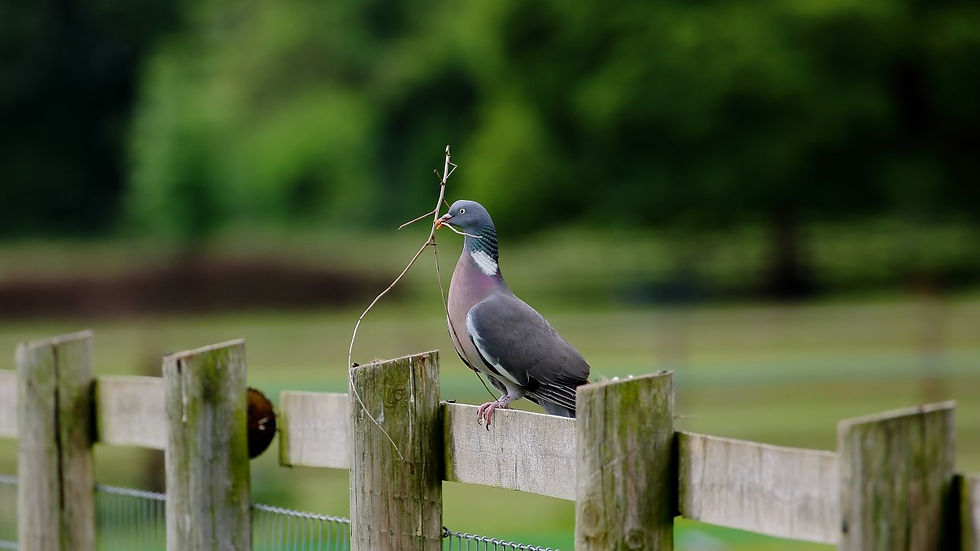
Wood Pigeons or Ringed Doves to give them their official name are very common in Surrey & Hampshire as well as all parts of the UK. They build their nest of twigs & course grass in bushes & trees, they lay two white eggs from early April through to September.

June 3rd Chawton Hampshire Yorkshire Fog Grass is widespread and very common across Surrey & Hampshire in virtually any location.

The Speckled Wood Butterfly is a common species in Surrey & Hampshire, it is nearly always seen in or close to woodland in sunny glades. It is on the wing from April to October in most years.

Bramble grows almost anywhere throughout the UK. It is common in woodland, hedges, scrub and wasteland. Flowers appear in June-July and the fruit ripens and turns black from late July.

June 3rd Kingsley Hampshire The Essex Skipper Butterfly is now moderately common across Surrey & Hampshire, having spread from it's stronghold in Essex in the last couple of decades. It is generally on the wing from April to October.

June 5th Chawton Hampshire The Essex Skipper Butterfly is now moderately common across Surrey & Hampshire, having spread from it's stronghold in Essex in the last couple of decades. It is generally on the wing from April to October.

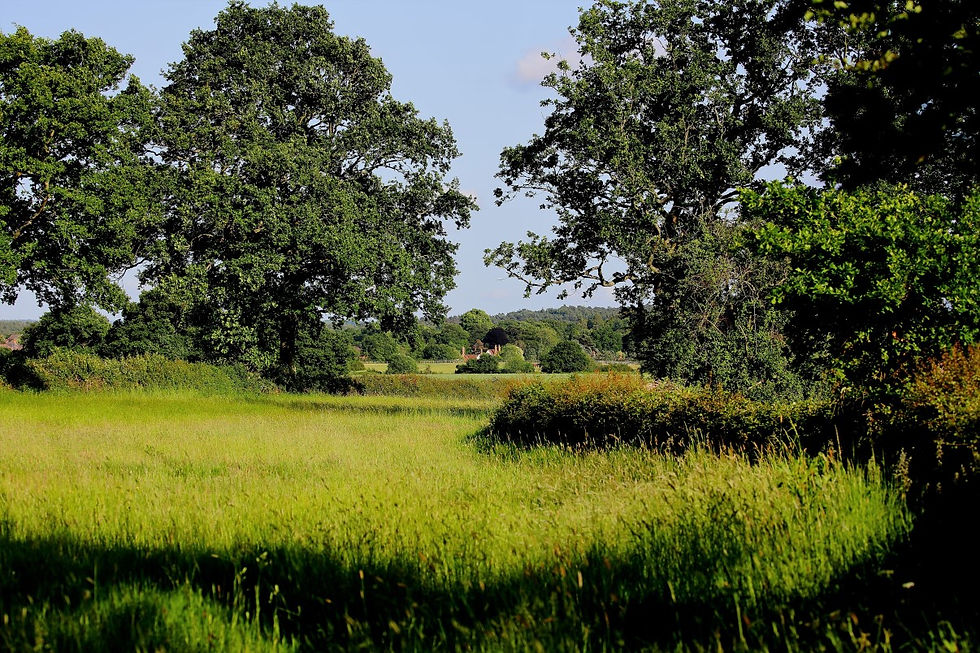
Kingsley is rural village 5 miles east of Alton in Hampshire. Kingsley is known for its sandy soil, sand pits, sandy heathland and extensive farm & woodland.

The Painted Lady Butterfly is a migratory species. Each year, it spreads northwards from the desert fringes of North Africa, the Middle East, and central Asia, recolonising mainland Europe and reaching Britain and Ireland. In some years it is an abundant butterfly, frequenting gardens and other flowery places in late summer, with occasional earlier sightings, (as with this one).

The Painted Lady Butterfly is a migratory species. Each year, it spreads northwards from the desert fringes of North Africa, the Middle East, and central Asia, recolonising mainland Europe and reaching Britain and Ireland. In some years it is an abundant butterfly, frequenting gardens and other flowery places in late summer, with occasional earlier sightings, (as with this one).

This very common snail can be found in damp locations across Surrey & Hampshire.

This common grass is widespread & common in Surrey & Hampshire as well as across the UK.
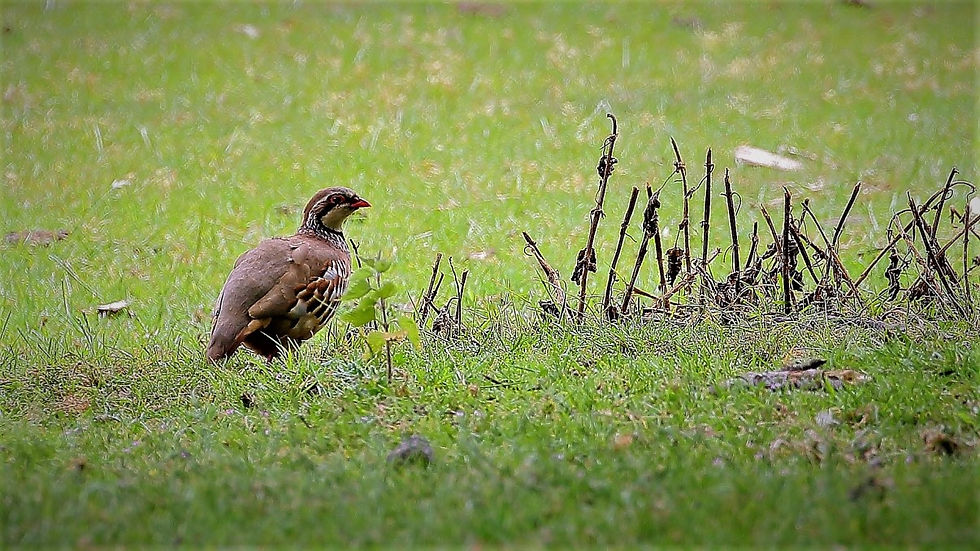
June 2nd Chawton Hampshire The Red Legged Partridge or French Partridge is an introduced species to the UK

June 1st Chawton Hampshire

June 1st Chawton Hampshire
